

Trauma Therapy in Amsterdam
You made it through. Something overwhelming, painful, or unsafe happened and you didn’t have the support you needed in that moment. And still, you’re here.
What trauma can feel like
Maybe you recognise this:
You can’t fully relax in your body
You feel on edge, or shut down
Your body holds tension or pain
Words disappear when you try to talk about what happened
Your relationships feel strained or distant
You might have found a way to function again. To build a routine. To keep going.
And still, something doesn’t feel settled.
Why your body responds this way
When something overwhelming happens, and there isn’t enough support, your system adapts.
Sometimes that means:
Numbing out
Disconnecting from feelings
Avoiding certain sensations or memories
Being hyper vigilant, always on the lookout for a possible threat.
People pleasing. Having physical symptoms without medical explanation.
Freezing regularly, even when it looks to be safe.
Getting into arguments often, always feeling like you messed up, did it again.
Not feeling like you understand what is asked of you in a social situation.
“If I don’t feel it, I’ll be safe.”
But not feeling doesn’t undo what happened.
Even numbness carries meaning.
How I work with trauma
In trauma therapy, we don’t rush. We don’t force you to relive anything. We work slowly, steadily, and in connection.
Together, we:
We explore safety in the present moment. Not feeling safe or feeling distrust is normal and welcomed, to find what it actually means to be safe together
Notice what is happening in your body as a guide
Explore sensations to find meaning, even the subtle or unclear ones
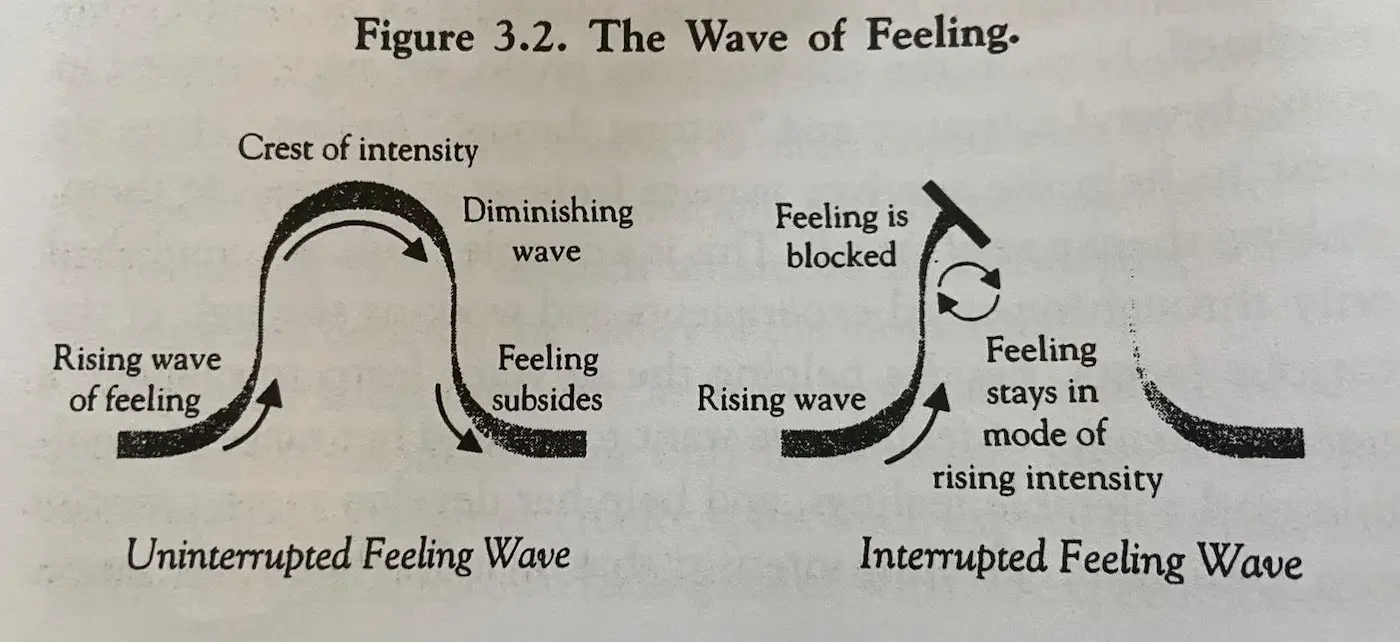
Support you and your capacity to stay with what arises. Usually when it happened, you were alone with these overwhelming sensations. Eventually they even felt dangerous themselves, so this part froze.
Undoing the danger, by connecting, will unfreeze bodily movements. You will notice the connection with your body will enhance as we advance.
The goal is not to “fix” you.
It’s to allow your system to experience something different: being met, supported, and not alone in it.
Transgenerational Trauma & Wisdom
We don’t only carry our own experiences.
We also carry traces of what came before us through family, culture, and history.
Our bodies hold both:
pain
and wisdom
In our work, we stay open to both.
Sometimes, what you’re feeling is not only yours, and understanding that can bring clarity, softness, and meaning.
From survival to living
Over time, something begins to shift.
Your body learns that it doesn’t have to stay in survival mode.
You may notice:
More space in your body
More access to feelings
Less fear of being overwhelmed
A stronger sense of self-support
Trauma work happens in small, reliable steps.
Not by diving deeper, but by staying present, together.
Reviews.
-
I felt at home from our very first conversation. You really listened to me, saw me. I always felt seen and heard in my questions and my search. I find you very sensitive, super accurate in tuning in without disappearing yourself. I found it very supportive that you allowed yourself to be visibly affected.
— Irene.
-
Rinske is very knowledgeable in her approach and knows how to put you at ease in confrontational conversations. A session with Rinske feels like a conversation with a very good friend who also dares to ask the right questions to help you with your process of self-reflection.
— Ditha.
-
After a difficult period, I ended up at Rinske's practice. I had no previous experience with any form of therapy, but Rinske made sure that wasn't a problem at all. She was a good listener and we had some great conversations. Thank you, Rinske!
— Sander

Ready to get started?
If you’re tired of holding it all on your own, you’re welcome to reach out.